
Table of Contents:
- Best Routes for a Southwest Road Trip
- How Many Days for a Southwest Road Trip?
- Best Time of Year to Visit the Southwest
- Unexpected Stops Worth the Detour
- Must-See National Parks in the Southwest
- Essential Planning Tips for a Southwest Road Trip
- Explore the Southwest With Rand McNally Publishing
- FAQ
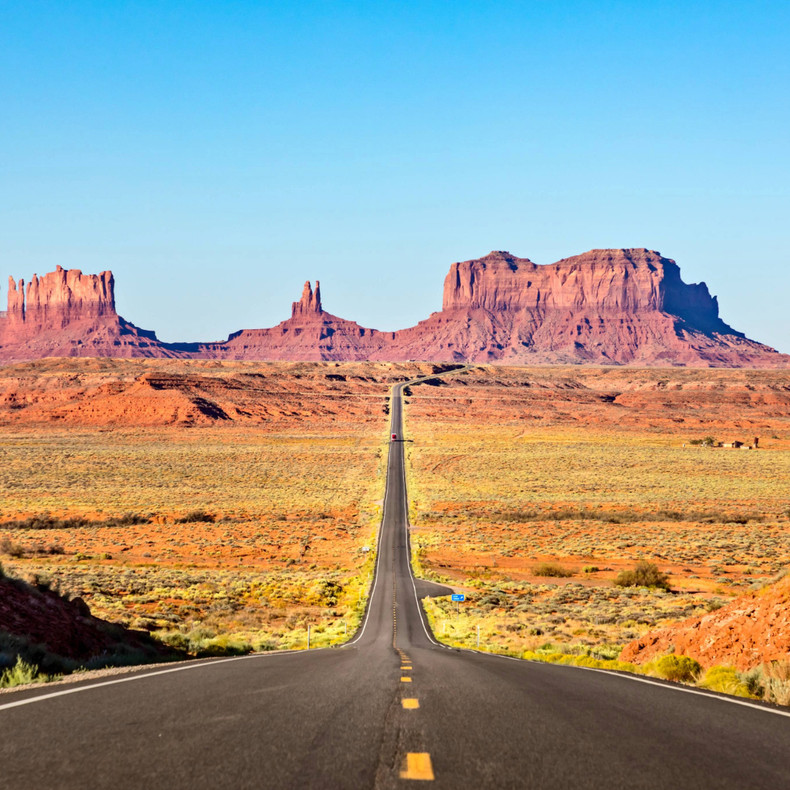
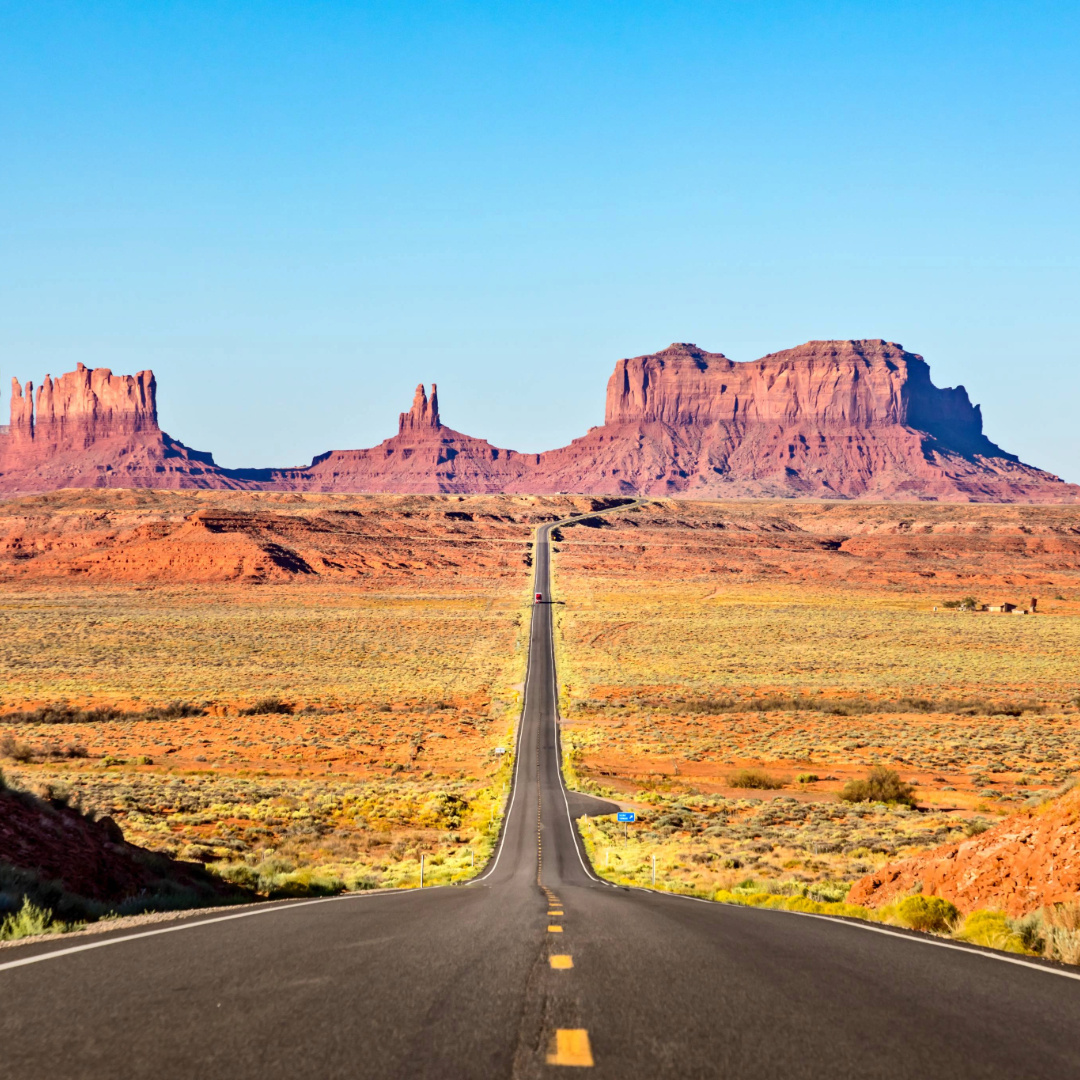
Few journeys capture the spirit of the open road quite like a Southwest road trip. Across Arizona, Utah, New Mexico and Nevada, the landscape shifts dramatically mile by mile. One moment you’re driving through wide desert valleys framed by distant mesas. Next, the highway curves past towering sandstone cliffs or winds through historic towns shaped by centuries of culture and travel.
Road trips in the American Southwest invite you to slow down and explore beyond the obvious. While famous parks draw travelers from around the world, some of the region’s most memorable moments happen along scenic byways, in small communities or at unexpected stops tucked just off the highway.
That’s the beauty of traveling by road. With a little planning and a reliable map in hand, you can discover places off the beaten path that many visitors never see.
In this guide, we’ll explore picturesque routes across the Southwest, hidden gems and lesser-known stops, as well as practical travel planning tips and the best time of year to take a road trip through America’s Southwest. Let’s start by looking at how to plan your route.
What Is the Best Route for a Southwest Road Trip?
The best route for a Southwest road trip depends on your interests, available time and starting point. Many travelers begin in cities like Las Vegas, Phoenix or Albuquerque and build a loop that connects national parks, scenic highways and historic towns across multiple states.
Some travelers follow famous park circuits, while others design routes that weave through quieter landscapes and cultural destinations. Either way, the Southwest is ideal for road trip loops that allow you to experience dramatic scenery without retracing the same roads.
Classic Southwest Loop (Grand Circle Overview)
One of the most recognized routes in the region is the Grand Circle, a loop connecting several remarkable national parks across Utah and Arizona.
Highlights include:
- Zion National Park
- Bryce Canyon National Park
- Grand Canyon National Park
- Page, Arizona and Horseshoe Bend
For travelers looking for a detailed itinerary and route planning tips, explore our guide to the Grand Circle road trip, which maps out this popular adventure in depth.
A Road Less Traveled Southwest Route
While the Grand Circle draws much of the attention, many travelers enjoy a quieter American Southwest road trip itinerary beyond the traditional park circuit. These places offer dramatic scenery and rich cultural experiences with fewer crowds.
Consider adding stops such as:
- Santa Fe, New Mexico
- White Sands National Park, New Mexico
- Capitol Reef National Park, Utah
- Valley of Fire State Park, Nevada
- Chiricahua National Monument, Arizona
These destinations showcase the diversity of the Southwest, from luminous desert dunes to red rock canyons and historic adobe towns.
How Many Days Do You Need for an American Southwest Road Trip?
The ideal length of a road trip through the American Southwest depends on how much ground you want to cover. Some travelers focus on a single region for a quick getaway, while others plan longer loops that cross multiple states.
3–5 Day Southwest Road Trip Itinerary
A shorter road trip works best when centered around one region or a cluster of nearby destinations. This approach allows time to enjoy scenic drives, local towns and outdoor activities without spending too many hours behind the wheel.
Possible route ideas include:
- Phoenix → Sedona → Flagstaff
- Las Vegas → Valley of Fire → Zion National Park
Trips in this range often focus on a single state or a pair of nearby destinations connected by scenic highways.
7–10 Day Southwest Road Trip Itinerary
With a week or more, travelers can explore a broader stretch of the Southwest and experience multiple landscapes along the way.
Potential routes include:
- Las Vegas → Zion → Bryce Canyon → Page → Grand Canyon
- Albuquerque → Santa Fe → Taos → White Sands
Trips lasting 7–10 days allow time for scenic drives, cultural stops and outdoor adventures without rushing between destinations.
What Is the Best Time of Year to Visit the Southwest?
The best time for a Southwest United States road trip depends on weather, elevation and the kind of experience you’re hoping to have. Desert valleys, mountain plateaus and canyon landscapes can feel dramatically different depending on the season.
Seasonal Overview
- Spring (March–May): Spring is one of the most comfortable seasons for a road trip through the Southwest. Temperatures are mild and desert wildflowers often bloom across Arizona, Utah and New Mexico.
- Summer (June–August): Summer brings intense heat to lower desert areas, but higher elevations and mountain towns offer cooler conditions. Early morning drives and shaded canyon hikes can make summer travel enjoyable.
- Fall (September–November): Fall is a favorite season for many travelers thanks to warm daytime temperatures and fewer crowds. Scenic drives feel especially pleasant as the desert light softens and the weather cools.
- Winter (December–February): Winter offers quieter parks and dramatic landscapes, with occasional snow dusting canyon rims and desert plateaus. Travelers should be prepared for colder temperatures and possible snow at higher elevations.
Each season reveals a different side of the Southwest, making it a region worth exploring year-round.
Unexpected Stops Worth the Detour on a Southwest Road Trip
Some of the most memorable moments on a Southwest U.S.A. road trip happen at destinations that weren’t part of the original plan. Beyond the famous parks, the region is full of remarkable landscapes, historic towns and cultural stops that reward travelers willing to take the scenic route.
Desert Landscapes Beyond the Famous Parks
The Southwest’s desert terrain is full of geological surprises that feel almost otherworldly.
Valley of Fire State Park in Nevada features glowing red sandstone formations that appear to ignite at sunset. Goblin Valley State Park in Utah is famous for its unusual hoodoo formations scattered across a wide desert basin. In New Mexico, the Bisti/De-Na-Zin Wilderness reveals a surreal landscape of eroded rock shapes and colorful badlands.
These lesser-known destinations offer striking scenery and a quieter sense of discovery.
Historic Route 66 Stops in the Southwest
Historic Route 66 still captures the imagination of travelers looking for classic roadside Americana. Small towns along the route celebrate the highway’s legacy with vintage signs, retro motels and local diners.
Stops worth exploring include:
- Seligman, Arizona
- Winslow, Arizona (“Standin’ on the Corner”)
- Tucumcari, New Mexico
- Gallup, New Mexico
These communities preserve the spirit of mid-century road travel with neon lights, roadside attractions and welcoming local businesses.
Foodie Stops Worth Planning Around
The Southwest is also a destination for travelers interested in regional flavors and culinary traditions. Here are a few food-focused stops you won’t want to miss:
- Santa Fe’s culinary scene: Santa Fe blends Indigenous, Spanish and Mexican influences, creating a vibrant food culture centered around local ingredients and distinctive chile flavors.
- Hatch chile country in New Mexico: The small town of Hatch is famous for its signature green chiles, celebrated each year during harvest season and featured in dishes across the region.
- Roadside diners along Route 66: Classic diners and roadside cafés still line stretches of the historic highway, serving comfort food with a nostalgic atmosphere.
- Indigenous and Southwestern culinary traditions: Across the region, travelers can explore restaurants and markets highlighting traditional dishes shaped by centuries of cultural exchange.
Savoring local flavors is one of the best ways to connect with local culture, while honoring history and tradition.
What Are the Must-See National Parks on a Southwest U.S. Road Trip?
The American Southwest is home to some of the most recognizable national parks in the United States. These protected landscapes showcase towering canyon walls, desert wildlife and remarkable geological formations shaped over millions of years.
Arizona Parks
Arizona’s national parks highlight the dramatic beauty of desert landscapes and canyon country.
You’ll feel as if you’ve visited multiple worlds between these three diverse parks.
Utah’s Red Rock Parks
Utah is famous for its striking red sandstone formations and expansive canyon systems.
- Zion National Park
- Bryce Canyon National Park
- Capitol Reef National Park
Nature photographers will delight in these spectacular destinations.
Unique Desert Parks
Some parks reveal landscapes unlike anywhere else in the country.
When traveling to these must-see national treasures, keep a national park guide and road atlas on hand to help you navigate these parks with curiosity and confidence.
Essential Tips for Planning a Road Trip Through Southwest U.S.A.
Planning ahead helps travelers make the most of a road trip through the Southwest, especially when driving through remote desert regions where distances between towns can be significant.
- Book Lodging Early: Accommodations near popular parks and scenic areas fill quickly. Booking 6–12 months in advance helps secure lodging near key destinations and RV or campervan rentals can provide additional flexibility.
- Consider an America the Beautiful Pass: The $80 annual America the Beautiful Pass grants access to national parks and federal recreation lands and can save money when visiting multiple parks on a single trip
- Prepare for Long Driving Distances: Southwest road trips often involve long stretches between destinations, with some extended loops covering 2,500 miles or more. Plan fuel stops accordingly and divide up driving responsibilities if possible to prevent fatigue.
- Understand Driving Conditions in the Southwest: Routes may include steep canyon roads, mountain passes and rural highways with limited services. Be sure your vehicle is equipped for the road conditions and weather on your planned route, and that you have the proper navigation tools should you lose service.
- Expect Limited Cell Service: Many scenic areas have unreliable cell coverage, which makes a state recreational road atlas a helpful backup for navigation
- Pack for Changing Temperatures and Outdoor Adventures: Climates vary drastically between the low desert landscapes and high elevation destinations. Layered clothing, sun protection and sturdy footwear help travelers stay comfortable when exploring parks, scenic overlooks and historic towns in variable weather.
- Carry Essential Desert Travel Supplies: Water, sunscreen, snacks and emergency supplies are important when driving through remote landscapes. Services can be few and far between, making in-vehicle supplies essential.
- Use Detailed Maps for Route Planning: A Western United States road map can help you visualize distances between destinations and reveal scenic routes you might otherwise miss. It can also highlight small towns worth a detour.
When you incorporate these tips, you’ll avoid unpleasant surprises while enjoying plenty of pleasant ones.
Explore the Southwest With Rand McNally Publishing
A Southwest road trip is all about the experiences discovered along the way: quiet desert vistas, historic towns, unforgettable landscapes and miles of open highway.
With thoughtful planning, travelers can explore both famous landmarks and hidden gems across the region. Reliable paper road maps and road atlases remain trusted tools for navigating long distances and discovering scenic routes.
Before heading out, explore Rand McNally Publishing’s collection of trusted travel tools designed to help travelers navigate with confidence. Visit our collection of U.S. road maps and atlases to start planning your next adventure.
FAQ: Southwest Road Trip
What is the ultimate Southwest national park road trip?
The ultimate Southwest national park road trip often follows the Grand Circle route connecting parks across Utah and Arizona. This loop typically includes Zion, Bryce Canyon, the Grand Canyon and other remarkable desert landscapes.
Is Route 66 still worth doing?
Route 66 is still worth driving for travelers interested in historic road culture. Small towns along the highway preserve vintage motels, roadside diners and nostalgic landmarks from America’s classic road trip era.
What is the most beautiful road trip in the USA?
Many travelers consider a Southwest road trip among the most beautiful in the USA because of its dramatic desert landscapes and canyon scenery. Routes connecting Arizona, Utah and New Mexico reveal some of the country’s most distinctive terrain.
Where should you go in the Southwest for 3 days?
A 3-day Southwest trip works well when focused on one region, such as Sedona and Flagstaff or Zion National Park and nearby scenic drives. Short trips allow time to explore local landscapes without covering long driving distances.
When is the best time of year to take a Southwest road trip?
The best time for a Southwest road trip is typically spring or fall, when temperatures are comfortable for driving and outdoor activities. These seasons also tend to bring fewer crowds and pleasant conditions for scenic exploration.
Additional Rand McNally Travel Blogs to Read:
- Most Scenic Places in the U.S.
- Spring Break Road Trips
- Digital Detox Vacation
- Route 66 Road Trip
- RV Road Trip Adventure
- The Ultimate Las Vegas to Yosemite Road Trip
- Explore the Grand Canyon With Kids
- Utah National Parks Road Trip
- Texas Road Trips for Families