
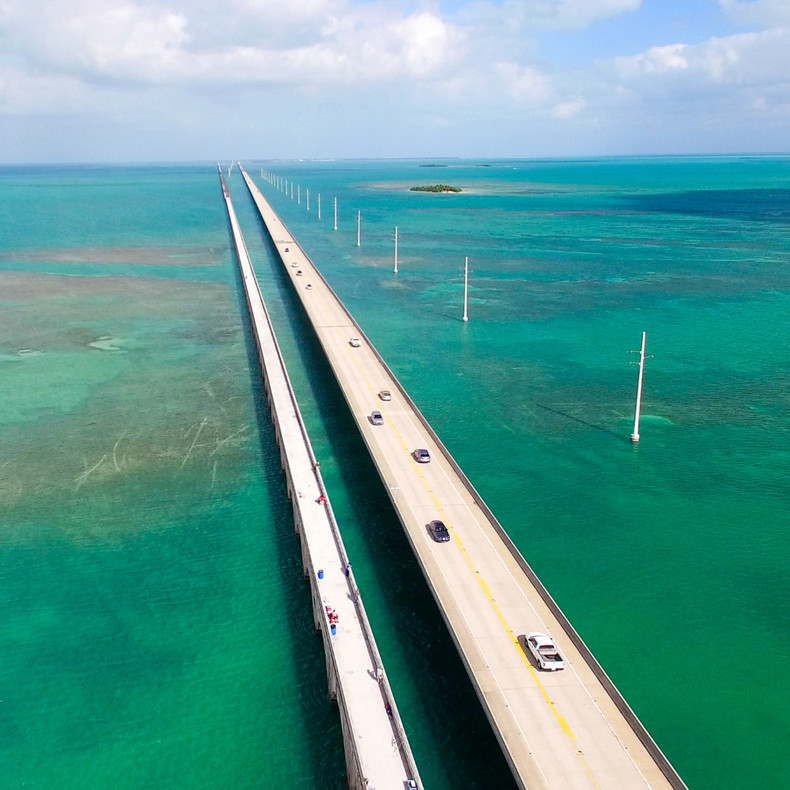
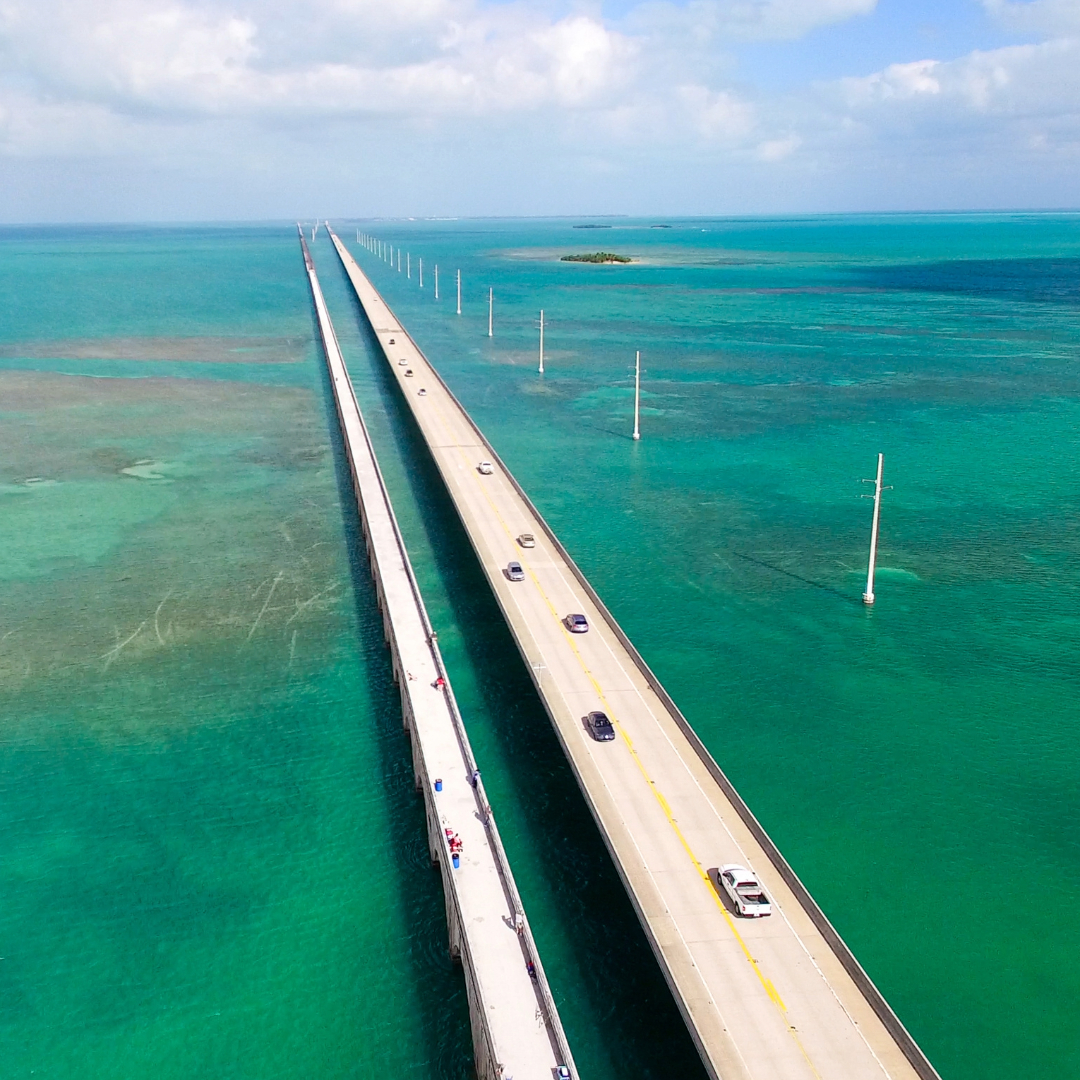
Driving the Overseas Highway feels a bit like gliding across the water. With the ocean on both sides and small island towns appearing just when you need a break, the Florida Keys invite you to slow down and ease into island time.
Table of Contents:
- Why the Florida Keys Are Special
- How to Plan Your Florida Keys Trip
- Florida Keys Itinerary
- Tips for Driving the Florida Keys
- Make the Most of Your Florida Keys Road Trip
- FAQ
Choosing to drive instead of flying straight to Key West gives you the freedom to stop where the day leads you—whether it’s a reef snorkel, a quiet beach or a sunset view that makes you want to linger a little longer.
In this guide, we will cover planning basics, the best time to go, what to pack and a flexible 4–5 day Florida Keys road trip itinerary you can tailor to your pace.
Let’s start with what makes this stretch of U.S. 1 so memorable.
What Makes a Florida Keys Road Trip Special?
A road trip through the Keys follows U.S. 1, also called the Overseas Highway, from Key Largo to Key West,
covering about 100 miles and linking islands that each offer their own character. The route takes you across long bridges, through easygoing towns and alongside water that shifts in color with every mile.
You’ll find coral reefs, quiet beaches, state parks and walkable neighborhoods, all connected by a single highway. In the next section, we’ll take a quick look at how the Keys fit together so you can picture your path south.
Quick Overview of the Florida Keys
The Florida Keys island chain stretches about 125 miles from the Upper Keys to the southern tip of Key West. When touring the Keys, most people focus on these main areas:
- Key Largo and Islamorada are gateways to coral reefs and water adventures. You will find snorkeling tours, paddleboarding, diving and laid-back marinas.
- Marathon and Bahia Honda offer relaxed beaches and time on or under bridges, including the famous Seven Mile Bridge
- Big Pine Key and the Lower Keys feel quieter, with more wildlife and fewer crowds
- Key West serves as the lively finale with history, nightlife and colorful streets you can explore on foot
We’ll dive deeper into each of the destinations in the sections that follow.
Why a Road Trip Is the Best Way to Travel the Keys
Driving the Keys lets you travel at your own pace. You can pause at a quiet beach, visit a fruit stand or follow a side road that looks worth exploring. On your way into the islands, don't miss Homestead staples like Robert is Here — it's one of the area’s most iconic fruit stands and the perfect place to grab a milkshake before you cross onto Key Largo. Take a detour into smaller attractions like Rain Barrel Village, an artsy open-air market with a tropical vibe, or, one of the longest-standing homesteads in the area. The journey feels just as meaningful as the destinations.
A Rand McNally Florida atlas and gazetteer helps you see the islands at a glance, making it easier to visualize distances, plan timing and find smaller stops you might miss on a phone screen. It also keeps you moving if your signal drops or you want to share navigation with a passenger.
How Do You Plan a Florida Keys Road Trip?
Planning a road trip Florida Keys-style starts with a few key decisions. Think about:
- How many days you have to spend
- Which month you plan to travel
- Which stops matter most
- Where you would like to spend the night
The good news is that driving the keys is straightforward. Once you are on U.S. 1, there is really only one main road. Next, we’ll answer the most common questions about creating the ideal Florida Keys itinerary.
How Many Days Do You Need to Drive the Florida Keys?
You can technically drive from Key Largo to Key West in a single long day, but most travelers prefer more time to enjoy the journey. The drive itself is about 118 miles. How many days you need to drive the Florida Keys depends on how relaxed you want the trip to feel.
Common options include:
- 1 day: Works as a fast out-and-back or one-way transfer, but leaves little time to explore
- 2–3 days: A quick getaway with 1 or 2 overnights and a taste of several keys
- 4–5 days: A flexible, easygoing trip for first-timers. You can visit the major stops without rushing
- 7 days: Ideal for deeper exploration from Key Largo to Marathon, with extra time for state parks, boat outings and slow, relaxed mornings
Whichever pace you choose, it helps to sketch out approximate daily distances on a road atlas so you can see the full route at a glance.
What Is the Best Month to Go to the Keys?
The best time to go to the Keys is late fall through early spring, roughly November through April. During these months, the weather is drier and more comfortable and the risk of tropical storms is lower.
Summer and early fall are hotter and more humid, with a higher chance of storms and hurricanes, but they can offer lower prices and fewer crowds. Consider your budget, schedule and comfort with heat when choosing your dates.
What Should You Pack for a Road Trip Through the Florida Keys?
A road trip through the Florida Keys does not require a mountain of gear, but a few thoughtful items can make the drive smoother. Pack light, breathable layers that can handle both strong sun and breezy evenings, along with a few road trip comforts. Consider including:
- Sun protection such as a hat, reef-safe sunscreen and sunglasses
- Lightweight clothing and an extra layer for cooler nights
- Swimwear, quick-dry towels and water shoes
- Reusable water bottles and snacks for the car
- A waterproof pouch for your phone and wallet on boats or near the water
- Everyday comfort items like a small daypack or travel pillow
- A clear, easy-to-read Florida map for planning stops and backup navigation
With the right items, you’ll maximize enjoyment and reduce the chances of mishaps.
Choosing Your Route and Where to Start
Most travelers start their trip in Miami or Fort Lauderdale and head south toward Key Largo. The main highway connecting Key Largo to Key West is the U.S. 1/Overseas Highway. If you are coming from the Gulf Coast, you can turn the journey into a longer adventure by first driving across the peninsula. Our Tampa to Miami drive guide is a helpful place to start if you want to link these trips into one longer route. Be sure to pick up an easy-to-fold Florida state map to plan your pacing and mark overnight stops.
Florida Keys Road Trip Itinerary: Miami to Key West and Back
This sample Florida Keys road trip itinerary covers 4–5 days and works well for first-time visitors. It
balances time in the water, relaxed drives and evenings in walkable towns. Drive times between islands are relatively short, but it is smart to build in extra time for slowdowns on the bridge, weather and those spur-of-the-moment stops that turn into favorite memories.
You can always add an extra night in Key West, Marathon or Islamorada if you prefer an even slower pace.
Day 1 – Miami to Key Largo: Gateway to the Keys
Leave Miami after breakfast, pick up a rental car if needed and head south toward Key Largo. Once you clear the mainland, you will know you have truly started your road trip through the Florida Keys when the water comes into view beside U.S. 1.
Key Largo Highlights and First Night on Island Time
Key Largo makes an easy first stop on any road trip through the Keys. Spend the afternoon at John Pennekamp Coral Reef State Park, where you can snorkel, kayak or join a glass-bottom boat tour. If time allows, stop by the Florida Keys Wild Bird Center for a short walk and a look at rescued birds. Travelers arriving from Homestead can also visit Robert Is Here for a fresh fruit shake before reaching the islands.
Plan to spend 1 night in Key Largo so you can ease into island time rather than rushing on to the next stop.
Approximate drive time from Miami to Key Largo: 1–1.5 hours
Day 2 – Key Largo to Islamorada: Reefs, Fishing, and Small-Town Charm
After a relaxed breakfast in Key Largo, continue south to Islamorada. The drive is short, which leaves plenty of time for time on the water and exploring this string of small islands that many people remember as their favorite part of touring the Keys.
Top Stops in Islamorada and Along the Upper Keys
A visit to Robbie’s of Islamorada is a classic stop on any Florida Keys adventure. You can feed tarpon from the dock, browse small local stalls and enjoy a simple meal with a view of the water. It is lively without feeling rushed.
Islamorada also offers opportunities for kayaking through mangroves, snorkeling, stand-up paddleboarding or heading out on a fishing charter if that fits your budget and interest.
In the evening, settle in at a bayside restaurant and watch the sky shift as the sun drops toward the horizon. The combination of gentle waves, live music and conversation is what many people remember most about driving the keys.
Approximate drive time from Key Largo to Islamorada: 20–30 minutes
Day 3 – Islamorada to Marathon and Bahia Honda: Bridges, Beaches, State Parks
On day 3, you will move into the heart of the Overseas Highway, where long bridges link one low island to the next. Take your time with this stretch so you can enjoy both the drive and the places you stop.
Approximate drive time from Islamorada to Marathon: 40–45 minutes
Driving the Seven Mile Bridge and Exploring Marathon
As you approach Marathon, you will cross the Seven Mile Bridge, a stretch where the water feels close on all sides.
Marathon makes a convenient central base with stops like the Turtle Hospital, local piers and casual harborfront dining, which welcome you to soak up coastal life and wildlife sightings. For quiet beach time, Sombrero Beach offers soft sand and calm water. Many travelers spend the night here thanks to its easy access to both the Upper and Lower Keys.
Approximate drive time from Marathon to Bahia Honda State Park: about 20 minutes
Bahia Honda State Park and the Lower Keys
Continue south to Bahia Honda State Park, known for its clear water and sandy shoreline. You can swim, walk along the old bridge or simply sit and listen to the waves. The pace here tends to feel slower than in the more built-up keys.
Farther along, Big Pine Key brings you into the National Key Deer Refuge, where you may spot the small, endangered Key deer in pine forests and open clearings. Remember to drive slowly and give wildlife plenty of space.
You can either stay the night in the Lower Keys area or continue on to Key West for a later arrival.
Approximate drive time from Bahia Honda State Park to Key West: 45–60 minutes
Day 4 – Key West: History, Nightlife and Neighborhoods
By day 4, you have reached the end of the road and the southernmost city in the continental United States. Many travelers plan at least 2 nights here so they can explore by day and enjoy a different part of town each evening without feeling rushed.
Is It Better to Stay in Old Town or New Town in Key West?
When you look for a place to stay in Key West, you will notice 2 main areas. Each has its own feel:
- Old Town: Walkable, historic and lively, with easy access to Duval Street, harbors and sunset celebrations. Prices are often higher and nights can be noisy.
- New Town: Quieter with more modern hotels, larger parking lots and more space. You will likely need a short drive or rideshare to reach the busiest streets.
If you want to be able to walk everywhere, Old Town may fit you best. If you prefer quieter evenings and easier parking, New Town can be a smart choice.
Key West Highlights for Your Florida Keys Road Trip
Stroll Duval Street, then explore the quieter side streets filled with historic homes and tropical gardens. If you enjoy literature or history, the Hemingway Home and Museum is worth a visit.
In the evening, join the sunset crowd at Mallory Square before wandering to a small cafe or along the waterfront to take in the island’s easy nighttime rhythm.
Approximate drive time from Bahia Honda to central Key West: 45–60 minutes.
When it’s time to head back to the mainland, you can drive straight from Key West to Miami or treat the return as a second chance to see places you skipped. The direct drive usually takes around 3.5–4 hours without long stops.
You might pause in the Lower Keys for one last walk on the beach, stop again in Marathon for lunch or revisit a favorite spot in Islamorada. Giving yourself some buffer time on the return day helps the trip end on a relaxed note rather than a rushed one.
Tips for a Successful Road Trip Through the Florida Keys
A little planning goes a long way toward making your Florida keys road trip feel relaxed instead of stressful. With simple prep and the right tools in your glove box, you can focus more on the experience and less on your signal bars.
Navigating the Overseas Highway With Confidence
The good news about driving the keys is that you mostly follow one main road: U.S. 1. Still, it helps to think through a few navigation basics.
Plan gas and food stops before you are running low. While there are plenty of services along the route, some stretches have limited options. Major cities like Marathon, Islamorada and Key Largo are smart spots to fuel up. Expect periods of slower traffic, especially on weekends or holidays, and give yourself extra time between reservations.
Road Trip Safety and Driving Tips in the Keys
To keep your road trip through the Florida Keys safe and comfortable, keep a few habits in mind:
- Consider using Marathon as a central base if you prefer fewer hotel changes
- Book accommodations ahead of time during peak season and holidays
- Stay flexible about weather, road work and traffic so unexpected delays feel like part of the story, not a crisis
- Drink plenty of water and take breaks to stretch
- Drive slowly across bridges and watch for sudden stops
- Keep an eye on the forecast so you can avoid driving in heavy storms when possible
Surprises are part of the charm of travel. A Florida keys road trip wouldn’t be complete without pausing to let turtles cross the road.
Make the Most of Your Florida Keys Road Trip With Rand McNally Publishing
A road trip through the Keys is an experience unlike any other, whether you are visiting for the first time or returning to rediscover favorite islands. You can tailor the pace to your style, linger where you feel most at ease and turn the drive itself into part of the vacation.
Ready to chart your own Florida Keys road trip? Pack a paper road map from Rand McNally so you can explore every bridge, beach and small-town stop with confidence, no matter your cell signal. It’s time to experience the enchantment of the Florida Keys.
FAQ About the Florida Keys Road Trip
What is the nicest Florida Key to visit?
The nicest Florida Key to visit depends on what you value. Key West is best for culture and nightlife, Islamorada for water activities, Bahia Honda and the Lower Keys for quieter nature and Key Largo for underwater exploration.
Is it worth driving down the Florida Keys?
Yes, it is worth driving down the Florida Keys. The Overseas Highway is one of the most memorable coastal drives in the United States, and it lets you explore islands, bridges, beaches and unexpected stops at your own pace.
Is it easy to island hop in the Florida Keys?
Yes, it is easy to island hop in the Florida Keys since you simply follow U.S. 1 along one continuous route with short distances between keys. Traffic can slow things down, but paper maps make it simple to plan detours and extra stops.
Additional Rand McNally Travel Blogs to Read: