
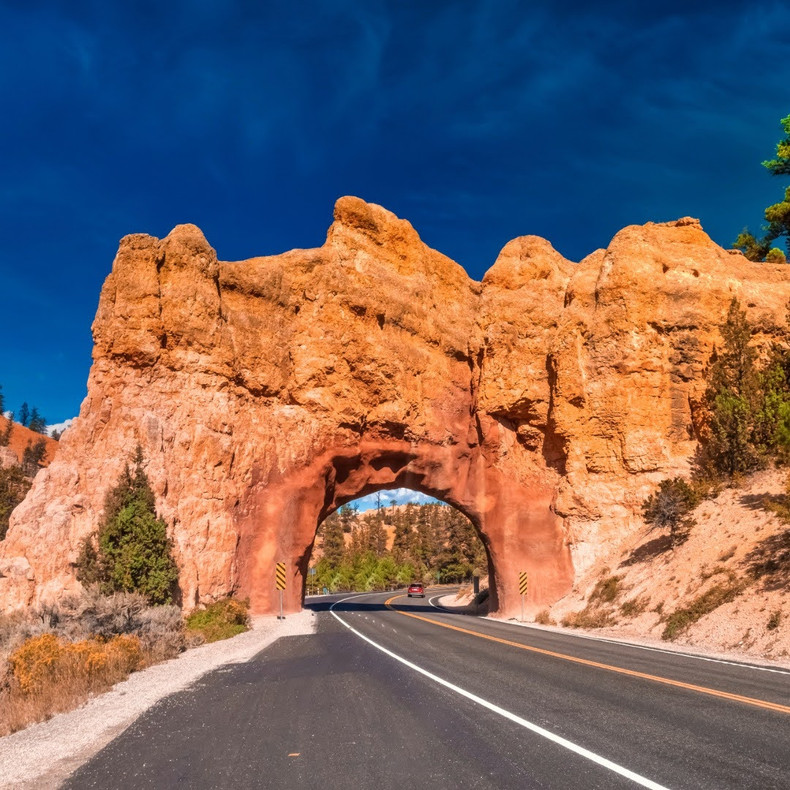
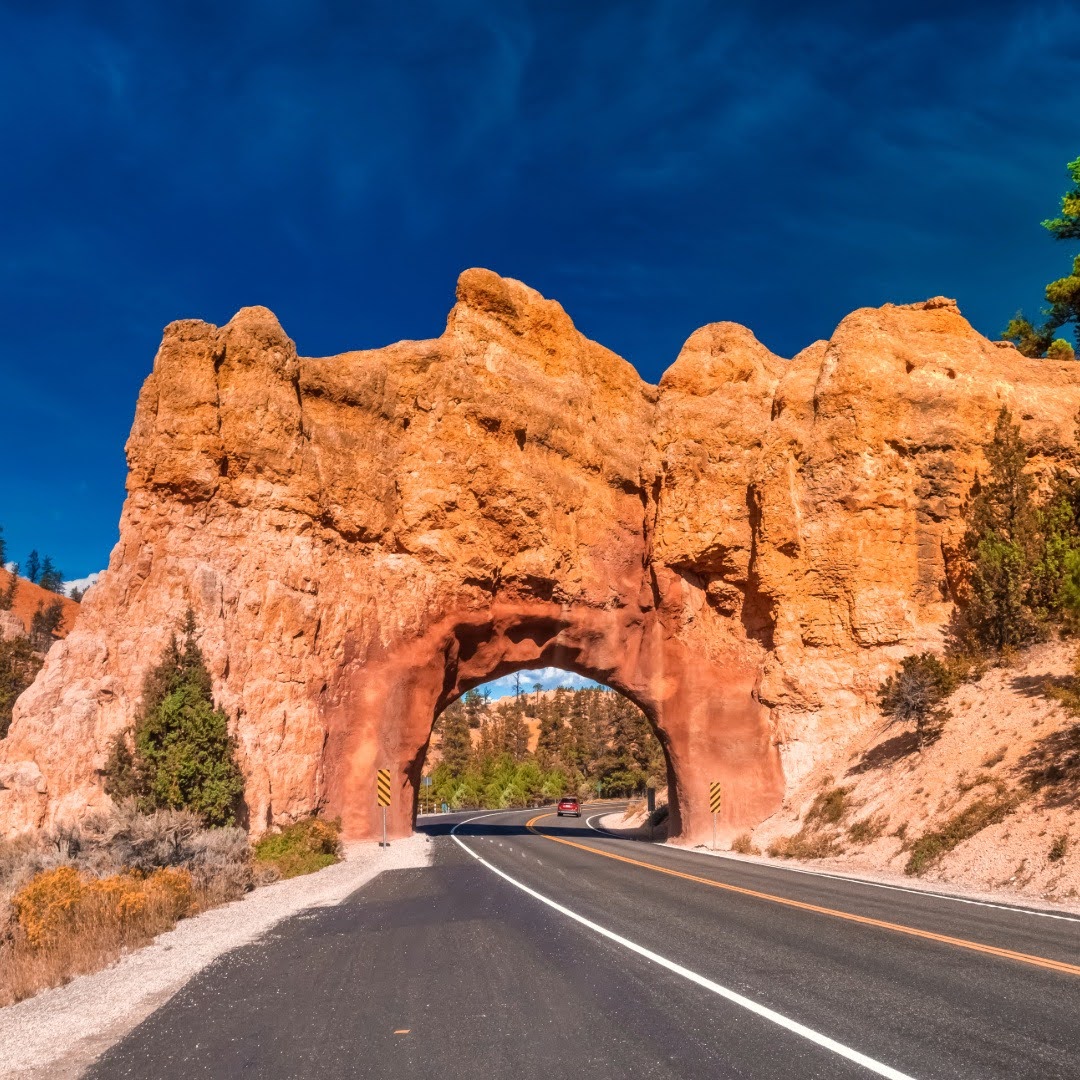
National park road trips are one of the most rewarding ways to experience the United States, connecting mountains, deserts, forests and coastlines mile by mile. When you travel by road, the landscape doesn’t just change at the park entrance. It unfolds gradually, revealing how one region transitions into the next through subtle shifts in color, climate and terrain.
These journeys are flexible by design. You might plan a one-week getaway focused on a single region, map out a 10-day national park road trip that links several states or commit to a multi-week adventure across the West. The key is balancing timing, pacing and reliable navigation so the drive feels intentional.
Below, you’ll find the best national park road trips in the U.S., reflecting the full geographic range of the country. You’ll also discover practical national park road trip ideas, realistic timelines and seasonal guidance to help you choose the route that fits your schedule.
Table of Contents:
- Best National Park Road Trips in the U.S.
- Road Trips to See Multiple National Parks
- How Long a National Park Road Trip Takes
- Best Time of Year for National Park Road Trips
- How to Plan a National Park Road Trip
- Best Map for a National Parks Road Trip
- Travel National Parks With Rand McNally Publishing
- FAQ
What Are the Best National Park Road Trips in the U.S.?
The best national park road trips in the U.S. depend on how much time you have, the region you want to explore and the season you plan to travel. Some routes cluster several parks within a few hours of each other, while others stretch across multiple states for a broader view of the country’s vast terrain.
What Is the Best 1-Week National Parks Road Trip?
The best 1-week national parks road trip focuses on regions where parks are grouped closely together, such as southern Utah, the Pacific Northwest or the Greater Yellowstone area. These routes limit long-haul drive days and allow more time inside each park.
Utah Mighty 5 Sampler
Southern Utah offers one of the most efficient 1-week loops in the country.
- Connect Zion, Bryce Canyon and Capitol Reef with balanced drive times
- Travel primarily along well-marked scenic highways
- Best in spring and fall for moderate temperatures
- Plan 2 nights in Zion, 1 night near Bryce, 1–2 nights near Capitol Reef
The compact geography keeps daily drives under 3 hours in most cases.
Pacific Northwest Trio
Washington’s 3 national parks form a tight regional circuit.
- Olympic, Mount Rainier and North Cascades are within a few hours of each other
- Mountain passes are typically snow-free in summer
- Long daylight hours support flexible daily schedules
- Ideal travel in June through September
This route balances alpine terrain, rugged coastal shoreline and misty forested valleys without excessive backtracking.
Yellowstone and Grand Teton
These neighboring parks create a classic 1-week combination.
- Shared gateway towns reduce relocation time
- Summer offers full road access
- Late spring and early fall bring fewer visitors
- Plan 3–4 nights in Yellowstone, 2–3 in Grand Teton
Keeping accommodations near park entrances helps minimize daily drive distances.
Blue Ridge Parkway: Shenandoah to Great Smoky Mountains
The Blue Ridge Parkway creates a natural connection between Shenandoah and the Great Smoky Mountains, forming one of the most efficient 1-week park-to-park routes in the East.
- Connect 2 major parks through a continuous mountain corridor
- Ideal in spring for wildflower blooms and in fall for cooler air
- Numerous overlooks and pull-offs reduce long daily drives
- Plan 2–3 nights near each park with flexible transfer days
Because the parks are linked by a single scenic byway, daily mileage stays moderate while still offering varied Appalachian terrain.
What Is a Good 10-Day National Parks Road Trip Itinerary?
A good 10-day national parks road trip itinerary allows for deeper exploration, built-in rest days and a more relaxed pace between parks. Planning for 10 days provides enough time to connect multiple landscapes without feeling rushed, making it an ideal national parks trip itinerary for travelers who want depth without overextending drive days.
Grand Circle (Southwest Loop)
The Grand Circle is one of the most efficient multi-park routes in the country.
- Connect Zion, Bryce Canyon, Capitol Reef, Arches, Canyonlands and the Grand Canyon
- Follow corridors like US-89 for logical route continuity
- Best in spring and fall for manageable desert temperatures
- Allocate 1–2 nights per park with 1 buffer day
This 10-day road trip balances red rock landscapes with reasonable drive times.
California Coastal & Sierra Loop
California offers mountain and coastal variety within a single state.
- Combine Yosemite, Sequoia and Kings Canyon
- Extend toward the Pacific Coast for shoreline contrast
- Summer ensures high-elevation road access
- Early fall avoids peak-season crowds
Drive segments are longer than Utah’s loop, so plan 2–3 hour transfers between base locations.
Rocky Mountains to the Plains
This route links alpine and prairie environments.
- Rocky Mountain, Badlands and Wind Cave
- Summer ensures Trail Ridge Road access
- Early fall brings cooler air and fewer crowds
- Expect longer open-road stretches between parks
Traveling for 10 days allows space for elevation changes and weather variability.
Multi-Week U.S. National Parks Road Trip Ideas
Multi-week U.S. national parks road trip plans connect larger corridors and require realistic mileage expectations. These journeys emphasize endurance, planning and route continuity.
US-89: The National Park Highway
US-89 is often cited as the road that takes you by 10 national parks.
- Connect parks from Arizona through Utah, Wyoming and Montana
- Link Grand Canyon, Zion, Bryce Canyon, Grand Teton, Yellowstone and Glacier
- Ideal late spring through early fall
- Expect extended drive days between northern segments
This corridor forms the backbone of many western park road trips.
Alaska Extension
Alaska offers a seasonal, advanced option for experienced planners.
- Connect Denali, Kenai Fjords and Wrangell–St. Elias
- Limited seasonal access due to snow
- Fewer services between towns
- Best June through early September
Distances are substantial and road conditions can shift quickly, making advance planning essential. Bringing an Alaska atlas and an easy-to-read map of Alaska allows you to see the bigger picture, plan routes in advance and navigate confidently in areas where cell service is limited.
What Is the Best Road Trip to See Multiple National Parks?
The best road trip to see multiple national parks typically focuses on a dense region such as the:
- Southwest
- California
- Pacific Northwest
- Blue Ridge corridor in the East
These areas allow you to experience 3–5 parks without long cross-country transfers.
Drive efficiency often matters more than sheer park count. While some travelers aim to see as many parks as possible, a concentrated regional loop usually delivers more meaningful time inside each destination. The right choice depends on how many days you have available. Travelers searching for the best road trip national parks experience often find that regional loops offer the right balance of efficiency and variety.
How Long Would a National Park Road Trip Take?
A national park road trip can take anywhere from a long weekend to several weeks, depending on how many parks you want to include and how far apart they are.
- 3–4 days: 1–2 parks within the same region
- 7 days: 3–4 parks in one concentrated area
- 10–14 days: Major regional loop across multiple states
- 2+ weeks: Multi-state corridor such as US-89
Drive distance, elevation, seasonal road closures and park size all affect timing. High-elevation roads may open late, while desert routes require early starts during warmer months.
What Is the Best Time of Year for National Park Road Trips?
The best time of year for national parks road trips depends on climate, elevation and road access in your chosen region. Spring and fall often provide balanced conditions with fewer crowds, while summer offers full access to high-altitude routes and longer daylight hours for extended activities.
Spring Road Trips to National Parks
Spring offers milder temperatures and lighter visitation in many southern and desert parks, making it an ideal season for lower-elevation routes.
- Great Smoky Mountains (Tennessee and North Carolina)
- Joshua Tree (California)
- Saguaro (Arizona)
- Congaree (South Carolina)
Wildflower blooms, rushing waterfalls and comfortable daytime temperatures make spring especially well-suited for extended time outdoors without peak-season congestion.
Summer Road Trips to National Parks
Summer opens high-elevation roads and extends daylight hours across northern and alpine parks, though visitation typically increases during this season.
- Glacier (Montana)
- North Cascades (Washington)
- Acadia (Maine)
- Voyageurs (Minnesota)
Expect busier conditions, but also full access to mountain passes and remote park roads.
Fall Road Trips to National Parks
Fall brings cooler air, vibrant fall foliage and steadier road conditions across many regions, particularly in the Mid-Atlantic and Upper South.
- Shenandoah (Virginia)
- Cuyahoga Valley (Ohio)
- Rocky Mountain (Colorado)
- Mammoth Cave (Kentucky)
Shorter daylight hours require thoughtful pacing, but weather patterns are generally stable for regional road trips.
Winter Road Trips to National Parks
Winter travel to national parks favors southern and lower-elevation parks, where temperatures are milder and major roadways remain open. Some northern parks experience seasonal closures, making route planning especially important.
- Everglades (Florida)
- Biscayne (Florida)
- Big Bend (Texas)
In these parks, winter temperatures are typically more comfortable for extended outdoor exploration, and reduced peak-season traffic makes pacing easier along park roads.
How Do You Plan a National Park Road Trip?
Planning a national park road trip requires thoughtful pacing, advance reservations, seasonal awareness and reliable navigation. Preparation means your time on the road feels organized rather than reactive.
Book Campsites and Lodging Early
National park campgrounds and nearby towns often fill months in advance. With this in mind:
- Reserve summer and fall stays as early as possible
- Monitor cancellation windows for flexibility
- Consider gateway communities for additional lodging options
Being open to alternative accommodations, such as RVs or campervans, can help you get around some of the booking challenges of traditional properties.
Understand Timed Entry and Vehicle Reservations
Some parks require timed-entry permits during peak seasons, including:
- Glacier National Park
- Rocky Mountain National Park
- Mount Rainier
- Arches
Other parks adjust policies seasonally, as well as in response to visitor behavior. Always check official park websites before departure for current requirements.
Plan Fuel and Supplies Carefully
Many national park corridors include long stretches without services, especially in desert and high-elevation regions. Plan ahead by:
- Identifying fuel stops before entering remote areas
- Carrying water and snacks
- Monitoring weather conditions in high-elevation regions
You can find some services within the parks, but supplies inside the parks can be more expensive. For wallet-friendly travel, pack food and drinks in a cooler, and avoid fueling up within the parks.
Build in Flexibility
Weather shifts, construction and road closures can affect travel days, making it important to:
- Add buffer time to 7- and 10-day itineraries
- Avoid scheduling back-to-back long drive days
- Adjust pace if road conditions change
One of the joys of a road trip is that an unexpected detour can lead you to a hidden gem. So don’t let the unexpected get you down — see it as an opportunity for spontaneous exploration.
Consider Accessibility Needs in Advance
Many national parks provide accessible visitor centers, scenic drives, overlooks and paved trails.
Review each park’s accessibility page ahead of time to understand available services and route conditions. Planning in advance empowers every traveler to experience national parks confidently.
What’s the Best Map for a National Parks Road Trip?
The best map for a road trip to national parks provides a clear, wide-angle view of multi-state routes while highlighting highways, secondary roads and nearby towns. Carrying U.S. highway road maps and a road atlas and national park guide allows you to see your entire route, helping you compare travel options and estimate realistic drive times.
Do I Need a Paper Map for National Parks?
Yes, a paper road map is a practical companion in national parks, especially along remote highways where cell service can be unreliable. In many western and high-elevation regions, cell service can drop without warning, making a printed reference a dependable backup when signals fade.
Maps and road atlases let you see how highways connect, compare alternate routes and understand the distance between towns and services before you set out. They provide steady guidance during long stretches of open road and help you adjust confidently if plans change.
Travel National Parks Confidently With Rand McNally Publishing
Thoughtful planning turns national park road trips from ambitious ideas into well-paced, memorable journeys. When you understand timing, route continuity and seasonal conditions, each mile feels purposeful.
Rand McNally Publishing has helped travelers navigate the open road for generations. Explore our collection of U.S. road maps and atlases to plan your next national park road trip with clarity and confidence.
FAQ: Planning Your National Parks Road Trip
What is the most scenic road trip in the U.S.?
The most scenic road trip in the U.S. depends on the landscape you prefer, with routes like the Blue Ridge Parkway, Going-to-the-Sun Road and the Pacific Coast Highway frequently mentioned. Each offers a distinct experience shaped by terrain and season.
What is the #1 most visited national park?
The #1 most visited national park is Great Smoky Mountains National Park, which typically welcomes more than 12–13 million visitors each year. Its year-round accessibility and proximity to major population centers contribute to visitation levels that are often more than double those of the next most visited park.
What is the prettiest national park in the USA?
The prettiest national park in the USA is subjective and varies by personal preference. Some travelers favor alpine parks like Glacier, while others prefer desert landscapes like Arches or canyon environments like the Grand Canyon.
Is the America the Beautiful Pass worth it?
The America the Beautiful Pass can be worth it if you plan to visit multiple fee-charging parks within a year. The pass covers entrance fees at federal recreation sites and often pays for itself after several visits, making it ideal for those planning multiple national park road trips within a 365-day period.
Can you visit multiple national parks in one week?
Yes, you can visit multiple national parks in 1 week if they are located within the same region. Focusing on clustered parks like those in Utah or Washington State reduces drive time and increases time inside each park.
Additional Rand McNally Travel Blogs to Read:
- The Ultimate Montana and Wyoming Road Trip Guide
- Most Scenic Places in the U.S.
- Blue Ridge Parkway
- Going-to-the-Sun Road
- Pacific Coast Highway